
Introduction
Burnout is no longer rare, it has become a common part of modern life. Constant pressure, long working hours, and the inability to disconnect leave many people feeling drained and disconnected. While short breaks may provide temporary relief, they often do not address the deeper exhaustion. This is where retreat based healing offers a meaningful solution. By stepping away from daily life and entering a space designed for restoration, individuals can truly reset their minds and bodies.
Table of Contents
- Understanding Burnout
- What is Retreat Based Healing
- The Science Behind Healing Retreats
- Key Elements of a Retreat Experience
- Long Term Impact on Mind and Body
- Conclusion
Understanding Burnout
What Causes Burnout
Burnout develops over time due to continuous stress and lack of recovery. When the body and mind are constantly pushed without proper rest, energy levels drop and motivation fades. It is not just physical tiredness but a deeper emotional and mental exhaustion.
Signs of Burnout
People experiencing burnout often feel overwhelmed and disconnected. They may struggle with focus, feel constantly tired, and lose interest in things they once enjoyed. This state cannot be fixed with rest alone because the mind also needs recovery.
What is Retreat Based Healing
Stepping Away from Daily Life
Retreats provide a space where individuals can disconnect from routine responsibilities. This distance from everyday stress allows the mind to slow down and begin healing.
Holistic Healing Environment
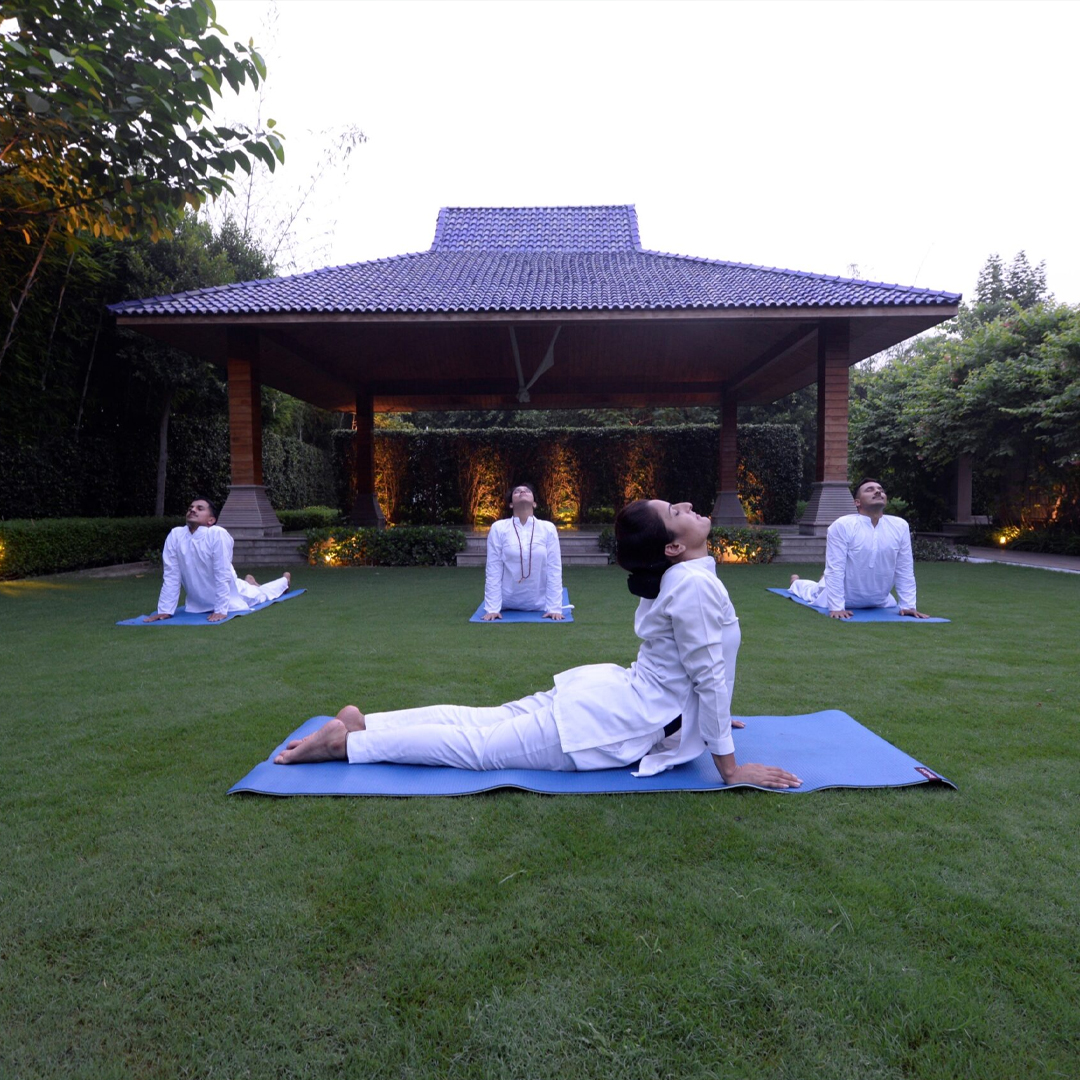
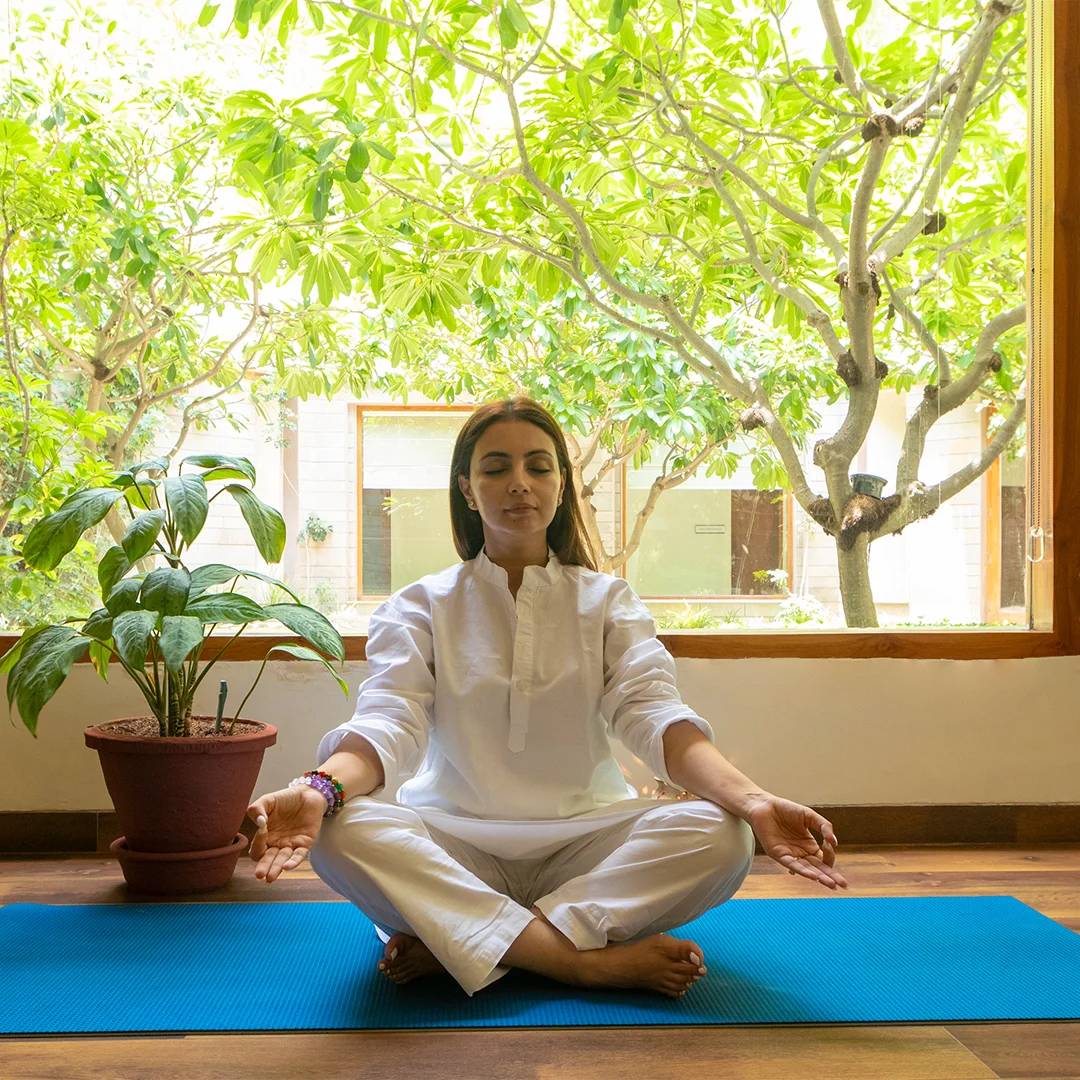
Retreats focus on overall wellbeing by combining practices such as yoga, meditation, balanced meals, and relaxation. These elements work together to restore balance in both the body and mind.
The Science Behind Healing Retreats
Resetting the Nervous System
Continuous stress keeps the body in a state of alertness. Retreat environments promote calmness, which helps shift the body into a relaxed state. This allows natural healing processes to take place.
Improving Mental Clarity
Being away from constant distractions gives the mind time to settle. This improves focus, decision making, and overall clarity.
Emotional Release
A calm and supportive environment allows individuals to process emotions that are often ignored in daily life. This leads to a sense of relief and emotional balance.
Key Elements of a Retreat Experience
Structured Routine
Retreats often follow a balanced schedule that includes movement, rest, and reflection. This structure helps restore a natural rhythm to the day.
Peaceful Environment
Natural surroundings and quiet spaces play an important role in healing. They reduce mental noise and create a sense of calm.
Guided Practices
Experienced practitioners guide participants through techniques that support relaxation and awareness. These practices can later be continued in daily life.
Long Term Impact on Mind and Body
Increased Energy
After a retreat, individuals often feel refreshed and recharged. The body regains energy as it recovers from prolonged stress.
Better Stress Management
The techniques learned during a retreat help individuals handle stress more effectively in everyday situations.
Renewed Perspective
Taking time away allows people to reflect on their lives. Many return with clearer priorities and a better understanding of what matters most.
Retreat based healing goes beyond relaxation. It creates an opportunity for deep reset and transformation. Many people notice improved sleep, better mood, and greater clarity after attending a retreat.
The key insight is that true recovery requires intentional time and the right environment. Quick breaks may help temporarily, but deeper healing needs a more focused approach.
Conclusion
Burnout is a challenge of modern living, but it does not have to be permanent. Retreat based healing offers a way to step back, reset, and rebuild. By creating space for rest and reflection, it helps restore balance in both the mind and body. In a world that constantly demands more, taking time to pause may be the most powerful step toward lasting wellbeing.