Nature as Medicine: How Immersive Landscapes Accelerate Healing

Introduction


In today’s fast paced and highly digital world, many of us spend more time indoors than ever before. Our days are filled with screens, schedules, and constant stimulation. While this lifestyle may feel normal, it often leaves us feeling tired, stressed, and disconnected. In contrast, spending time in nature has a quiet but powerful effect on the mind and body. It does not demand attention, yet it restores it. Nature has long been considered a source of healing, and today, both science and experience are proving just how important it truly is.


Table of Contents


  1. Understanding Nature as Medicine 
  2. How Natural Environments Impact the Body 
  3. Mental and Emotional Healing Through Nature 
  4. The Power of Immersive Landscapes 
  5. Bringing Nature into Daily Life 
  6. Value and Insights 
  7. Conclusion


Understanding Nature as Medicine


Nature as medicine is not a new idea. For centuries, people have turned to forests, mountains, rivers, and open spaces for rest and recovery. What makes nature so powerful is its ability to restore balance without effort. Unlike artificial environments, nature does not overwhelm the senses. Instead, it gently engages them, allowing the mind to relax and the body to recover.

Healing in nature happens in a subtle yet deep way. It is not about doing something specific, but about being present in an environment that supports wellbeing. The simplicity of natural surroundings creates space for the mind to slow down and reset.


How Natural Environments Impact the Body


Calming the Nervous System

When we are constantly exposed to noise and stress, the body remains in a state of alertness. Natural environments have the opposite effect. The sound of wind, the sight of greenery, and the rhythm of walking outdoors signal the body to relax. This helps reduce stress levels and allows the body to shift into a state of healing.

Improving Physical Health

Spending time in nature often encourages gentle movement such as walking or stretching. Fresh air and natural light also support overall physical health. These elements together improve energy levels and help the body feel more balanced.

Supporting Rest and Recovery

Nature creates an environment that naturally supports rest. Without constant distractions, the body can relax more deeply. This improves sleep quality and allows for better recovery from physical and mental fatigue.


Mental and Emotional Healing Through Nature


Reducing Mental Fatigue

Continuous exposure to screens and information overload can exhaust the mind. Nature provides a break from this constant input. The mind does not have to process complex information, which allows it to rest and regain clarity.

Improving Mood and Emotional Balance

Being in natural surroundings often brings a sense of calm and ease. Stress, anxiety, and restlessness begin to fade. Over time, this creates a more stable and positive emotional state.

Enhancing Mindfulness

Nature encourages presence. Whether it is the sound of birds, the feeling of the breeze, or the sight of open landscapes, these experiences draw attention to the present moment. This naturally increases awareness and mindfulness without effort.


The Power of Immersive Landscapes


Deep Disconnection from Stress

Immersive landscapes such as mountains, forests, or coastal areas provide a complete shift from daily environments. This physical distance helps the mind disconnect from routine stress and responsibilities.

Stronger Sensory Experience

In immersive settings, the senses are fully engaged gently. The sights, sounds, and textures of nature create a grounding experience that helps calm the mind and body.

Encouraging Inner Reflection

Being surrounded by nature creates space for quiet reflection. Without constant distractions, thoughts become clearer. This often leads to new perspectives and a deeper understanding of oneself.


Bringing Nature into Daily Life


Small Daily Connections

Even short moments in nature can have a positive impact. A walk outside, sitting in a park, or spending time in a garden can help reset the mind during the day.

Creating Natural Spaces

Bringing elements of nature into your environment, such as plants or natural light, can create a calming atmosphere even indoors.

Making Time for Immersion

While daily exposure is helpful, spending longer periods in natural settings can deepen the benefits. Planning occasional trips to quiet and natural locations can support long-term well-being.

Value and Insights

Research and real-life experiences both highlight the healing power of nature. People who spend regular time in natural environments often report lower stress levels, improved mood, and better overall health. Even a short time outdoors can significantly improve focus and mental clarity.

The key insight is that nature does not need to be complicated or distant to be effective. It is accessible, simple, and deeply restorative. In a world filled with constant stimulation, it offers something we rarely experience: true calm.


Conclusion


Nature is more than just a place; it is a powerful source of healing. By stepping into natural environments, we allow the mind to slow down and the body to recover. Whether through daily walks or immersive retreats, connecting with nature can bring balance, clarity, and renewed energy. In a world that often feels overwhelming, nature reminds us of a simpler and healthier way to exist.


The Art of Slow Living: Reclaiming Time in a Hyper Connected World

Introduction


Life today often feels like a race with no clear finish line. We move quickly from one task to another, constantly checking our phones, responding to messages, and trying to keep up with endless demands. Even moments of rest are filled with scrolling and distractions. Over time, this fast paced way of living can leave us feeling exhausted, unfocused, and disconnected. Slow living offers a different approach. It is not about doing less for the sake of it, but about doing things with intention, awareness, and presence. It is about reclaiming time and creating space for what truly matters.


Table of Contents


  1. What is Slow Living 
  2. Why Modern Life Feels So Rushed 
  3. The Core Principles of Slow Living 
  4. How Slow Living Transforms Daily Life 
  5. Simple Ways to Practice Slow Living 
  6. Value and Insights 
  7. Conclusion 


What is Slow Living


Slow living is a mindful way of approaching life. It focuses on quality over quantity and presence over speed. Instead of rushing through tasks, it encourages doing things with full attention and purpose.

It does not mean avoiding responsibilities or becoming unproductive. Rather, it means being intentional about how time and energy are used. It allows space for rest, reflection, and meaningful experiences.


Why Modern Life Feels So Rushed


Constant Connectivity

Technology keeps us connected at all times. While this has many benefits, it also creates pressure to always be available. Notifications, emails, and messages demand immediate attention, leaving little room for mental rest.

Culture of Productivity

Modern culture often values being busy. Productivity is seen as success, and rest is sometimes viewed as a lack of effort. This mindset pushes people to constantly do more, often at the cost of their wellbeing.

Fear of Missing Out

The need to keep up with others can create a sense of urgency. Social media, in particular, can make people feel like they need to be doing more, achieving more, and experiencing more, all at once.


The Core Principles of Slow Living


Living with Intention

Slow living encourages making conscious choices. Instead of acting out of habit or pressure, it involves deciding what truly matters and focusing on that.

Being Present

One of the most important aspects of slow living is presence. It is about fully experiencing each moment rather than rushing through it. Whether it is eating, working, or spending time with others, being present makes the experience more meaningful.

Simplifying Life

Reducing unnecessary complexity helps create more space for what is important. This could mean simplifying routines, limiting distractions, or letting go of commitments that do not add value.


How Slow Living Transforms Daily Life


Improved Focus

When you slow down, your attention becomes sharper. Tasks are completed with greater clarity and efficiency because you are fully engaged in them.

Better Emotional Balance

A slower pace allows the mind to process thoughts and emotions more calmly. This reduces stress and creates a greater sense of stability.

Deeper Connections

Being present improves relationships. Conversations become more meaningful, and time spent with others feels more fulfilling.

Greater Appreciation

Slow living helps you notice the small details of everyday life. Simple moments such as a quiet morning or a peaceful walk become more enjoyable.


Simple Ways to Practice Slow Living


Creating Boundaries with Technology

Limiting screen time and reducing unnecessary notifications can help create mental space. This allows for more focused and intentional use of time.

Slowing Down Daily Activities

Simple activities such as eating, walking, or even breathing can be done more mindfully. This brings a sense of calm into everyday routines.

Prioritizing Rest

Rest is essential, not optional. Taking time to relax without guilt supports both mental and physical wellbeing.

Choosing Quality Over Quantity

Focusing on fewer, more meaningful activities creates a deeper sense of satisfaction than trying to do everything at once.

Value and Insights

Slow living is not about escaping modern life, but about navigating it more consciously. Many people who adopt this approach notice reduced stress, improved focus, and a stronger sense of balance.

The key insight is that time is not something we lack, it is something we often mismanage. By slowing down, we begin to use time more intentionally rather than feeling controlled by it.

In a world that constantly encourages speed, choosing to slow down becomes a powerful and conscious decision.


Conclusion


The art of slow living is about reclaiming control over your time and attention. It allows you to step away from constant urgency and reconnect with what truly matters. By living with intention and presence, you create a life that feels more balanced, meaningful, and fulfilling. Sometimes, the best way to move forward is to simply slow down.

The Power of Stillness: How Yoga and Meditation Rewire the Modern Mind

Introduction


Modern life moves at a relentless pace. From the moment we wake up, our minds are pulled into messages, responsibilities, and endless streams of information. Over time, this constant activity creates stress, mental fatigue, and a sense of disconnection from ourselves. In such a l Au, stillness can feel unfamiliar, even uncomfortable. Yet it is within this stillness that true clarity begins. Yoga and meditation offer a simple but powerful way to pause, reset, and reconnect with the mind in a deeper way.


Table of Contents


  1. What is Stillness in Modern Life
  2. How Yoga Impacts the Mind
  3. How Meditation Rewires Thinking Patterns
  4. Emotional and Mental Benefits
  5. Building Stillness into Daily Life
  6. Conclusion


What is Stillness in Modern Life


Stillness is often misunderstood as doing nothing, but in reality, it is about being fully present. In today’s fast moving environment, the mind is rarely at rest. Even when the body is still, thoughts continue to race between the past and the future. This constant mental movement creates inner noise that makes it difficult to think clearly or feel calm.

Stillness creates a space where the mind can slow down. It allows us to step away from distractions and reconnect with the present moment. In this state, we begin to notice how much of our stress is created not by situations themselves, but by how constantly we think about them.


How Yoga Impacts the Mind


Release of Physical Tension

Yoga works through the body to calm the mind. Many people carry stress in their muscles without realizing it. Tight shoulders, stiff necks, and shallow breathing are often signs of mental pressure. Through slow and mindful movement, yoga helps release this stored tension. As the body relaxes, the brain receives signals that it is safe to slow down, which naturally reduces stress.

Breath Awareness

One of the most important aspects of yoga is the focus on breathing. Deep and steady breathing has a direct impact on the nervous system. It shifts the body from a state of alertness into a state of relaxation. This simple act of conscious breathing helps reduce anxiety and creates a sense of calm that extends beyond the practice itself.

Mind Body Connection

Yoga strengthens the connection between the mind and the body. Instead of moving automatically, you begin to move with awareness. This awareness helps you notice how your body feels, how your breath flows, and how your mind reacts. Over time, this connection carries into daily life, making you more conscious of your actions and emotions.


How Meditation Rewires Thinking Patterns


Breaking the Thought Cycle

Meditation teaches the mind to slow down. Instead of getting caught in endless thinking, you begin to observe your thoughts. This helps break the cycle of overthinking that many people struggle with. By focusing on the present moment, the mind gradually becomes less reactive and more stable.

Creating Mental Space

One of the most powerful effects of meditation is the space it creates between a thought and a reaction. In everyday life, people often react immediately to situations without thinking. Meditation introduces a pause, allowing you to respond with clarity instead of impulse. This small shift can transform how you handle stress and challenges.

Strengthening Focus

Regular meditation improves concentration. As you practice bringing your attention back to the present moment, your ability to focus naturally improves. This not only makes you more productive but also reduces the mental exhaustion that comes from constant distraction.

Emotional and Mental Benefits


Reduced Stress and Anxiety

Yoga and meditation lower stress levels by calming the nervous system. With regular practice, the body produces fewer stress hormones, and the mind feels more at ease. Situations that once felt overwhelming become easier to handle.

Better Emotional Control

These practices help you become more aware of your emotions. Instead of reacting instantly, you learn to pause and understand what you are feeling. This leads to better emotional balance and healthier responses in difficult situations.

Improved Clarity

When the mind is not overloaded with thoughts, it becomes easier to think clearly. Decisions feel more natural, and problems appear less complicated. Clarity replaces confusion.


Stronger Self Awareness


Spending time in stillness allows you to understand yourself better. You become more aware of your habits, patterns, and emotional triggers. This awareness is the first step toward personal growth.


Building Stillness into Daily Life


Simple Ways to Start

You do not need a long routine to begin. Even a few minutes of quiet sitting or gentle yoga can make a difference. Starting small helps build consistency without feeling overwhelming.

Reducing Mental Noise

Creating moments of silence during the day can help reduce mental overload. Taking breaks from screens, avoiding constant multitasking, and giving yourself time to simply be can bring a sense of calm.

Staying Consistent

The key to experiencing the benefits of stillness is consistency. Regular practice, even if short, is more effective than occasional long sessions. Over time, these small efforts create lasting changes in the mind.

Research and real life experiences both highlight the impact of stillness practices. Many people notice reduced stress, better focus, and improved emotional balance within a few weeks of regular yoga or meditation. High performers across different fields often include these practices in their routines to maintain clarity and manage pressure effectively.

The most important insight is that stillness is not a luxury. It is a necessity in a world that constantly demands attention. Taking time to pause is what allows you to function better in every other aspect of life.


Conclusion


Yoga and meditation are not just practices, they are ways of living with greater awareness. They help you step away from the noise of modern life and reconnect with a calmer, clearer state of mind. In a world that constantly pushes you to move faster, choosing stillness can be your greatest strength. It is in these quiet moments that true balance, clarity, and peace begin to grow.


Ayurveda in the Modern World: Why Ancient Wisdom is the Future of Preventive Health

Introduction


We live in a time where health is often treated as a reaction rather than a responsibility. People wait for discomfort, illness, or imbalance before taking action. But what if health could be maintained before problems even begin? This is where Ayurveda, a centuries old system of wellness, becomes deeply relevant today. In a fast moving world filled with stress and irregular habits, Ayurveda brings us back to simplicity, balance, and awareness.


Table of Contents


  1. What is Ayurveda
  2. Core Principles of Ayurvedic Living
  3. Why Preventive Health Matters Today
  4. How Ayurveda Fits into Modern Life
  5. Daily Practices for Balance
  6. Conclusion

What is Ayurveda


Ayurveda is a holistic system of health that focuses on maintaining balance within the body and mind. It does not look at health as the absence of disease, but as a state of harmony. Instead of only addressing symptoms, it works to understand the root cause of imbalance.

What makes Ayurveda unique is its personalized approach. It recognizes that each individual has a different body type and lifestyle, which means that health practices should also be tailored accordingly. This makes it highly adaptable, even in modern living conditions.

Core Principles of Ayurvedic Living


Understanding Individual Nature

Ayurveda believes that every person has a natural constitution that influences their physical and mental tendencies. By understanding this, individuals can make better decisions about food, routine, and lifestyle. This awareness creates a more aligned way of living.

Balance Over Extremes

Rather than promoting strict rules, Ayurveda focuses on maintaining balance. Small disruptions in daily habits can slowly lead to larger health concerns. By making mindful adjustments, balance can be restored before issues develop.

Living in Rhythm with Nature

Ayurveda emphasizes aligning with natural cycles such as day and night, as well as seasonal changes. When daily routines follow these rhythms, the body functions more efficiently and stays in a healthier state.

Why Preventive Health Matters Today


Modern Lifestyle Challenges

Today’s lifestyle often includes irregular sleep, processed food, and constant stress. These habits gradually weaken the body’s natural ability to maintain balance. Preventive health becomes essential in avoiding long term issues.

Mental Wellbeing

Health is no longer limited to physical fitness. Emotional and mental wellbeing have become equally important. Ayurveda considers the mind and body as one system, making it highly relevant in addressing modern stress and anxiety.

How Ayurveda Fits into Modern Life


Simple and Practical Approach

Ayurveda does not demand drastic changes. It encourages small, consistent habits that fit into daily life. This makes it easier to sustain over time.

Personalization Over Generalization

Modern health advice is often the same for everyone. Ayurveda takes a different approach by focusing on individual needs. This creates more effective and meaningful results.

Complementing Modern Wellness

Ayurveda works well alongside practices such as exercise, meditation, and balanced nutrition. It enhances these by adding depth and understanding to everyday habits.


Daily Practices for Balance


Mindful Eating

Paying attention to what and how you eat plays a major role in overall health. Eating in a calm state and choosing nourishing foods improves digestion and energy levels.

Consistent Routine

A stable daily routine supports the body’s internal clock. Regular sleep and meal timings help maintain balance and reduce stress.

Rest and Recovery

Adequate rest allows the body to repair and recharge. Ayurveda places strong importance on sleep and relaxation as key pillars of health.

The strength of Ayurveda lies in its simplicity and long term vision. Many people who adopt Ayurvedic habits experience improved digestion, better energy, and reduced stress. It shifts the focus from temporary solutions to sustainable living.

In a world that is now moving toward preventive healthcare, Ayurveda naturally stands out. Its principles, though ancient, align perfectly with modern needs.


Conclusion


Ayurveda is not just a traditional practice, it is a practical guide for living well. By focusing on balance, awareness, and prevention, it offers a path toward lasting health. In today’s fast paced environment, this ancient wisdom may be exactly what we need for a healthier future.


From Burnout to Balance: The Science of Retreat Based Healing

Introduction

Burnout is no longer rare, it has become a common part of modern life. Constant pressure, long working hours, and the inability to disconnect leave many people feeling drained and disconnected. While short breaks may provide temporary relief, they often do not address the deeper exhaustion. This is where retreat based healing offers a meaningful solution. By stepping away from daily life and entering a space designed for restoration, individuals can truly reset their minds and bodies.

Table of Contents


  1. Understanding Burnout
  2. What is Retreat Based Healing
  3. The Science Behind Healing Retreats
  4. Key Elements of a Retreat Experience
  5. Long Term Impact on Mind and Body
  6. Conclusion

Understanding Burnout


What Causes Burnout


Burnout develops over time due to continuous stress and lack of recovery. When the body and mind are constantly pushed without proper rest, energy levels drop and motivation fades. It is not just physical tiredness but a deeper emotional and mental exhaustion.


Signs of Burnout


People experiencing burnout often feel overwhelmed and disconnected. They may struggle with focus, feel constantly tired, and lose interest in things they once enjoyed. This state cannot be fixed with rest alone because the mind also needs recovery.

What is Retreat Based Healing


Stepping Away from Daily Life


Retreats provide a space where individuals can disconnect from routine responsibilities. This distance from everyday stress allows the mind to slow down and begin healing.


Holistic Healing Environment


Retreats focus on overall wellbeing by combining practices such as yoga, meditation, balanced meals, and relaxation. These elements work together to restore balance in both the body and mind.


The Science Behind Healing Retreats


Resetting the Nervous System


Continuous stress keeps the body in a state of alertness. Retreat environments promote calmness, which helps shift the body into a relaxed state. This allows natural healing processes to take place.


Improving Mental Clarity


Being away from constant distractions gives the mind time to settle. This improves focus, decision making, and overall clarity.


Emotional Release


A calm and supportive environment allows individuals to process emotions that are often ignored in daily life. This leads to a sense of relief and emotional balance.


Key Elements of a Retreat Experience


Structured Routine


Retreats often follow a balanced schedule that includes movement, rest, and reflection. This structure helps restore a natural rhythm to the day.


Peaceful Environment


Natural surroundings and quiet spaces play an important role in healing. They reduce mental noise and create a sense of calm.


Guided Practices


Experienced practitioners guide participants through techniques that support relaxation and awareness. These practices can later be continued in daily life.


Long Term Impact on Mind and Body


Increased Energy


After a retreat, individuals often feel refreshed and recharged. The body regains energy as it recovers from prolonged stress.


Better Stress Management


The techniques learned during a retreat help individuals handle stress more effectively in everyday situations.


Renewed Perspective


Taking time away allows people to reflect on their lives. Many return with clearer priorities and a better understanding of what matters most.


Retreat based healing goes beyond relaxation. It creates an opportunity for deep reset and transformation. Many people notice improved sleep, better mood, and greater clarity after attending a retreat.

The key insight is that true recovery requires intentional time and the right environment. Quick breaks may help temporarily, but deeper healing needs a more focused approach.

Conclusion

Burnout is a challenge of modern living, but it does not have to be permanent. Retreat based healing offers a way to step back, reset, and rebuild. By creating space for rest and reflection, it helps restore balance in both the mind and body. In a world that constantly demands more, taking time to pause may be the most powerful step toward lasting wellbeing.

Holistic Detox: Why Cleansing the Mind is as Important as Cleansing the Body

Detox has become a common part of modern wellness. Many people focus on cleansing their bodies through diets, juices, and fitness routines. While these methods can improve physical health, they often ignore an equally important aspect, the mind. A cluttered and overwhelmed mind can affect how we feel just as much as an unhealthy body. True wellness comes from addressing both.


Table of Contents

  1. What is Holistic Detox
  2. Mental Toxins in Daily Life
  3. Importance of Mental Detox
  4. Ways to Cleanse the Mind
  5. Balancing Mind and Body
  6. Conclusion

What is Holistic Detox


Holistic detox is a balanced approach to wellbeing that includes both physical and mental health. It goes beyond temporary diets or quick fixes and focuses on long term habits that support overall balance. This approach recognizes that the mind and body are deeply connected and must be cared for together.


Mental Toxins in Daily Life


Common Mental Toxins


In everyday life, the mind absorbs a large amount of negative input. Constant stress, overthinking, emotional pressure, and excessive use of digital devices slowly build up. Social media, in particular, can create comparison, distraction, and mental fatigue. These factors may not be visible, but they have a strong impact on how we think and feel.


Importance of Mental Detox


Effects of a Cluttered Mind

When the mind is overloaded, it becomes difficult to focus and stay calm. Anxiety increases, energy levels drop, and even simple tasks can feel exhausting. Over time, this imbalance can affect both mental and physical health. Cleansing the mind helps restore clarity and emotional stability.


Ways to Cleanse the Mind


Practicing Mindfulness

Mindfulness involves paying attention to the present moment. By focusing on the breath or simply observing thoughts, the mind begins to slow down. This reduces overthinking and creates a sense of calm.


Limiting Digital Exposure

Taking breaks from screens allows the brain to rest. Reducing constant notifications and spending time offline can improve focus and reduce mental fatigue.


Expressing Emotions

Allowing yourself to process emotions is an important part of mental detox. Writing thoughts, reflecting quietly, or having honest conversations can help release emotional tension.


Spending Time in Nature

Being in a natural environment helps the mind relax. The simplicity and quietness of nature create a refreshing contrast to the noise of daily life.


Balancing Mind and Body


Physical Practices

Taking care of the body through healthy eating, hydration, and regular movement supports overall detox. When the body feels lighter, the mind also benefits.


Mental Practices

Practices such as meditation, rest, and mindful living help maintain mental clarity. When both mind and body are balanced, wellbeing becomes more stable and sustainable.

Many people focus only on physical health but continue to feel tired or stressed. This often happens because the mind remains overloaded. Studies and real life experiences show that combining mental and physical detox leads to better energy, improved mood, and stronger emotional balance.

The key insight is that true health cannot exist without mental clarity. A calm mind allows the body to function at its best.


Conclusion

Holistic detox is about more than removing toxins from the body. It is about creating balance between the mind and body. When you take time to cleanse your thoughts, reduce mental clutter, and care for your emotional wellbeing, you begin to feel lighter and more in control. True wellness starts when both the mind and body are given equal attention.

Start Your New Year with Healing: A Naad Wellness Stay That Sets the Tone for the Year Ahead

The start of a new year is often a time for reflection and planning. Many people aim to improve their health, manage stress, or adopt better habits, but sustaining these intentions can be difficult without support. A stay at Naad Wellness provides a structured environment where you can reset your routines, restore balance, and build practical wellness habits that last throughout the year.

We combine Ayurvedic therapies, Naturopathy treatments, Yoga, Mindfulness, and Nutrition guidance to create personalised programs. These programs help you address stress, fatigue, digestion issues, and other common health concerns, while equipping you with routines you can continue at home.

Why a Wellness Stay at Naad Makes a Difference

Wellness is not just about temporary relaxation. It is about creating sustainable habits that support the body, mind, and overall lifestyle, which is why many guests begin their journey with programs focused on reducing stress and improving mental clarity, and destressing at Naad

Naad offers programs designed to:

  • Reduce stress and improve mental clarity through Guided Mindfulness and Meditation


  • Support physical health with Yoga and Ayurvedic therapies


  • Teach balanced eating habits for better energy and digestion


  • Boost immunity naturally through Naturopathy and traditional therapies

By starting the year with structured wellness routines, you can maintain improvements in energy, focus, and overall health for months beyond your stay.

Personalised Wellness Programs at Naad

Naad Wellness emphasises customised care for you. Each stay is designed based on individual health needs, lifestyle, and goals. Programs typically include:

Ayurvedic Therapies

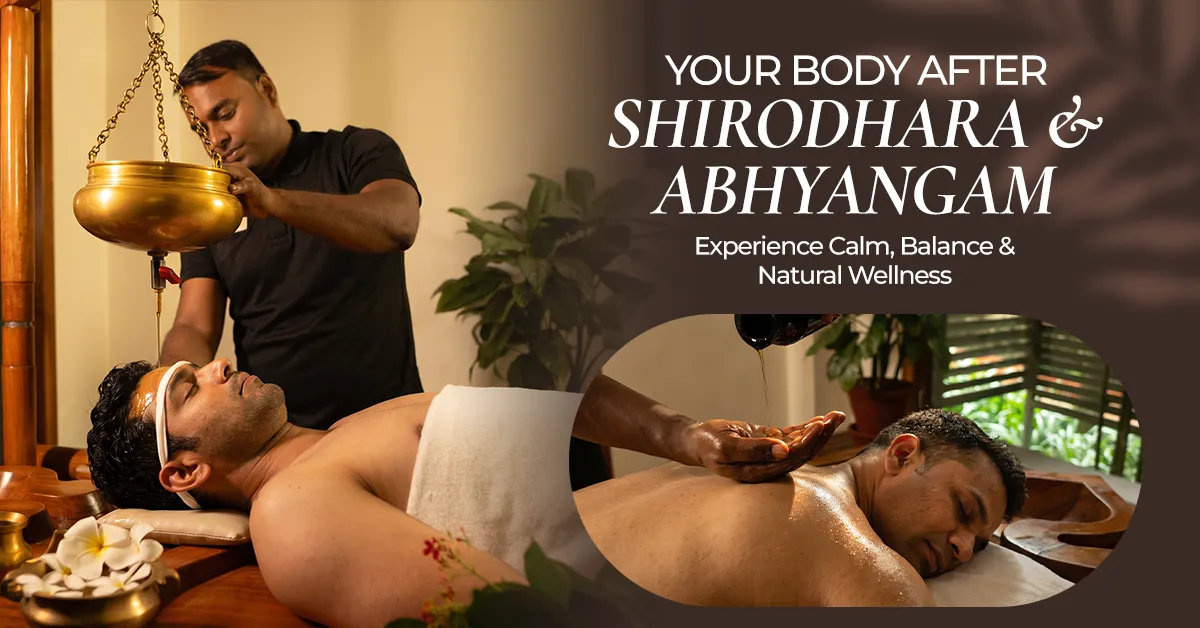
Ayurvedic therapies such as Abhyanga, Shirodhara, and Panchakarma are designed to restore balance, improve sleep, relieve tension, and detoxify the body. These therapies focus on long-term well-being rather than short-term fixes, helping you develop a deeper understanding of your own health.

Naturopathy Treatments

Naturopathy uses natural therapies like hydrotherapy, mud therapy, and dietary interventions to strengthen immunity, improve digestion, and increase vitality. These treatments complement other wellness practices for a holistic approach to health.

Yoga and Breathwork

Guided Yoga and breathwork sessions help you improve flexibility, posture, and focus while reducing stress. Routines are suitable for beginners and are designed to be continued at home, supporting long-term physical and mental well-being.

Mindfulness and Meditation

Structured Mindfulness and Meditation practices teach practical stress management techniques, supported by natural therapies that help emotional and mental healing, a theme we also explored in 8 Natural Therapies That Support Emotional and Mental Healing. 

Nutrition Guidance

Personalised Nutrition plans focus on balanced meals that support digestion, immunity, and energy levels. Guidance is practical and sustainable, giving you tools to maintain healthy eating patterns throughout the year.

Habits You Can Take Home

All stays at Naad Wellness are designed to create long-lasting health routines. Key practices you can adopt include:

  1. Morning rituals that support energy and clarity, including gentle stretches, breathwork, and self-care practices

  2. Stress management tools such as editation, mindfulness, and breathing exercises for daily life

  3. Balanced eating habits to improve digestion, energy, and immunity

  4. Better sleep patterns through relaxation techniques and wellness therapies

  5. Regular movement with Yoga and light exercises to maintain flexibility and strength

These practices are practical, easy to maintain, and build a foundation for year-round well-being.

Who Can Benefit from a New Year Wellness Stay

  • Individuals managing stress, fatigue, or burnout

  • People looking to reset lifestyle habits after the holiday season

  • People interested in natural therapies for digestion, immunity, and energy

  • Those seeking guidance in Ayurveda, Naturopathy, Yoga, and mindfulness

Programs are tailored to different experience levels, making them accessible for beginners while providing depth for those with prior wellness knowledge.

If You Want a True “New Year, New Me,” This Is Where It Begins

The idea behind this stay is simple: start your year with a clear mind, a relaxed body, and a plan you can sustain. You don’t need extreme resolutions or complicated routines. You just need a place that helps you reconnect with your health.

We at Naad do that through our healing therapies, structured wellness programs, and thoughtful clinical guidance.

When you leave, you won’t just return with memories. You’ll return with patterns, clarity, and the confidence to keep your health steady for the next twelve months.

Planning a New Year Stay

A New Year wellness stay at Naad is structured to be practical, effective, and sustainable. You receive:

  • Personalised wellness plans based on your specific goals

  • Combination of therapies, including Ayurveda, Naturopathy, Yoga, and Mindfulness

  • Balanced meals and Nutrition Guidance

  • Tools to continue practices at home

Frequently Asked Questions

Q1. What is included in a New Year wellness stay at Naad?

Each stay includes a personalised program with Ayurvedic therapies, Naturopathy Treatments, Yoga, Meditation, and Nutrition Guidance tailored to your needs.

Q2. How long should a stay be to notice results?

Even a 3-5 day stay can help reset energy levels, reduce stress, and improve habits. Longer stays provide more comprehensive benefits and stronger routine formation.

Q3. Are Yoga and meditation sessions suitable for beginners?

Yes. All sessions are beginner-friendly and guided by experienced instructors who adapt practices to each person’s comfort level.

Q4. Will I need to follow strict diets?

No. Nutrition guidance focuses on balanced and sustainable eating habits, not restrictive diets.

Q5. Can wellness routines learned at Naad be continued at home?

Yes. Every therapy, Yoga routine, and mindfulness practice is designed to be practical and maintainable at home.

Q6. Is the program effective for stress management?

Yes. Mindfulness, meditation, breathwork, and therapies target stress relief, mental clarity, and emotional well-being.

Arthritis Management 101: How to Identify Symptoms, Understand Causes, and Explore Treatment Options

Arthritis Management 101 How to Identify Symptoms, Understand Causes, and Access Effective Treatment Options

Arthritis is one of the most common conditions affecting joints, mobility, and overall well-being. While often associated with aging, it can impact people of all ages and lifestyles. Early recognition of symptoms, understanding potential causes, and accessing appropriate treatment options are essential for managing arthritis effectively and maintaining quality of life.

The programs at Naad Wellness aim at natural and holistic approaches that complement medical treatments. These approaches focus on joint health, mobility, and sustainable wellness practices to reduce discomfort and support long-term joint function.

What Is Arthritis?

Arthritis refers to inflammation of the joints, which can cause pain, stiffness, and reduced range of motion. There are several types of arthritis, each with distinct characteristics:

  • Osteoarthritis (OA): Caused by the gradual wear and tear of cartilage, OA is the most common type and often affects knees, hips, hands, and spine.


  • Rheumatoid Arthritis (RA): An autoimmune condition where the immune system attacks joint tissues, causing inflammation, pain, and swelling.


  • Gout: Triggered by uric acid crystal buildup in the joints, most commonly in the big toe, leading to sudden and intense pain.


  • Psoriatic Arthritis: Linked with psoriasis, this type affects both skin and joints, causing inflammation, pain, and stiffness.


Correctly identifying the type of arthritis is crucial for selecting the most effective management strategies. You can explore our dedicated Arthritis Management Program to understand how Naad approaches long-term joint health.

Common Symptoms to Recognise

Arthritis symptoms can vary in intensity and frequency but often include:

  • Persistent joint pain that may be constant or intermittent
  • Stiffness, particularly in the morning or after periods of inactivity
  • Swelling and redness around affected joints
  • Limited mobility or difficulty performing routine tasks
  • Fatigue resulting from chronic inflammation and discomfort

Early identification and treatment can prevent joint damage and improve long-term outcomes.

Causes and Risk Factors

Several factors contribute to the development of arthritis. Key causes and risks include:

Genetic Predisposition

A family history of arthritis increases susceptibility, especially for autoimmune types like rheumatoid arthritis.

Age and Joint Wear

Osteoarthritis often develops with age as cartilage naturally degrades. Previous joint injuries or repetitive stress can accelerate this process.

Lifestyle Influences

Obesity, sedentary habits, and poor nutrition can increase stress on joints and elevate the risk of arthritis, which are addressed through our Weight Management program.

Autoimmune Conditions

Immune system dysfunction triggers rheumatoid arthritis and psoriatic arthritis, leading to joint inflammation.

Dietary Factors

Consuming highly processed foods, sugars, and inflammatory fats can worsen arthritis symptoms. Anti-inflammatory nutrition supports joint health and reduces flare-ups.

Treatment Options for Arthritis

While there is no single cure for arthritis, a combination of medical, lifestyle, and complementary treatments can help manage symptoms, improve mobility, and enhance overall quality of life.

Medical Treatments

  • Pain relief medications: Over-the-counter options such as acetaminophen or NSAIDs help reduce pain and inflammation.
  • Disease-modifying drugs: DMARDs and biologics are used for autoimmune arthritis to slow disease progression.
  • Corticosteroid injections: Provide targeted relief for inflamed joints.

Physical Therapy and Exercise

Structured exercise strengthens muscles around joints, improves flexibility, and reduces stiffness. Low-impact activities like Yoga, swimming, and walking are effective for maintaining mobility.

Natural and Complementary Approaches

Naad Wellness supports combining conventional treatments with Ayurvedic therapies and Naturopathy for holistic care:

  • Ayurvedic oil massages, such as Abhyanga, reduce joint inflammation and improve circulation.
  • Hydrotherapy and mud therapy relieve stiffness and support joint function.
  • Herbal supplements such as turmeric and ginger provide natural anti-inflammatory benefits.

For many guests, combining these treatments with selective natural therapies amplifies results. Naad explains how these therapies support healing in its guide on Natural Therapies for Emotional and Mental Recovery.

Lifestyle and Home Strategies

  • Balanced diet: Focus on anti-inflammatory foods, vegetables, fruits, and lean proteins.
  • Weight management: Reducing excess weight lowers stress on joints.
  • Heat and cold applications: Warm compresses ease stiffness, while cold packs reduce swelling.
  • Assistive devices: Braces or ergonomic tools help manage daily activities without strain.

Daily Habits for Long-Term Joint Health

Adopting simple daily routines can reduce arthritis flare-ups and maintain mobility:

  • Maintain a regular low-impact exercise routine to keep joints flexible
  • Follow a nutrient-rich diet that supports joint and bone health
  • Avoid repetitive stress or overuse of specific joints
  • Practice mindfulness or guided meditation to manage stress, as stress can worsen inflammation
  • Monitor symptoms and consult healthcare professionals when changes occur

These habits, combined with treatment plans, support a sustainable approach to arthritis management.

Who Can Benefit from Arthritis Management Programs

The Arthritis Management Program at Naad Wellness focuses on addressing the root causes of joint discomfort and stiffness. Through personalised care, holistic therapies, and lifestyle guidance, it helps you regain mobility, reduce pain, and enjoy a life of ease, comfort, and lasting vitality. The program is particularly beneficial for:

  • Individuals dealing with stress or fatigue related to chronic joint pain

  • Those looking to reset lifestyle habits for better joint health

  • Guests interested in combining medical care with Ayurveda, Naturopathy, Yoga, and mindful practices

  • Beginners seeking structured guidance in joint care and mobility improvement

Programs are tailored for all experience levels, ensuring practical and actionable guidance.

Frequently Asked Questions

Q1. What is the difference between osteoarthritis and rheumatoid arthritis?

Osteoarthritis results from cartilage wear over time, affecting older adults and joints subjected to stress. Rheumatoid arthritis is an autoimmune condition where the immune system attacks joint tissues, causing inflammation and potential deformities.

Q2. Can diet help manage arthritis symptoms?

Yes. A diet rich in anti-inflammatory foods such as vegetables, fruits, and omega-3 fatty acids supports joint health and can reduce inflammation. Avoiding processed foods and excessive sugars is also beneficial.

Q3. Is exercise safe for arthritis patients?

Yes. Low-impact exercises like Yoga, walking, and swimming strengthen muscles, maintain flexibility, and reduce stiffness, all while protecting joints.

Q4. Are natural therapies effective for arthritis?

Complementary therapies such as Ayurvedic massages, hydrotherapy, and herbal supplements can help relieve symptoms and improve mobility, especially when used alongside medical treatments.

Q5. How can daily routines support arthritis management?

Daily habits like maintaining a healthy weight, using supportive tools, performing gentle stretches, and practicing mindfulness can minimise pain and prevent flare-ups.

Q6. When should someone seek professional care?

Persistent joint pain, swelling, or reduced mobility should be evaluated by a healthcare provider to identify the type of arthritis and create a tailored management plan.

Plan Your Wedding at Naad Wellness: India’s Best Destination Wedding Venue

Plan Your Wedding at Naad Wellness: India’s Best Destination Wedding Venue

Our nation has always been the land of larger than life celebrations. Royal palaces, vast beaches, and massive decorations to make the whole scene look cinematic, with thousands of guests. Yet in recent years, things have changed for the better. 


A spectacle isn’t really desirable to couples; everyone is shifting to a wedding that feels personal and intentional. Imagine it all happening in the golden light of dusk, surrounded by stillness, where every moment feels grounded and unhurried, and you are surrounded by guests that you can actually name.

That’s the essence of weddings at Naad Wellness: we redefine what it means to host the best destination wedding in India.

Why Destination Weddings Are the Future for Indian Marriages

Search trends show it, and so does the new wave of wedding planners: 2025 belongs to destination weddings.

Here’s why this shift is happening:

  • Intimacy is the new luxury. Couples are trading 500-guest lists for 50 loved ones and richer emotional moments.
  • Meaning over material. Every ritual, dish, and setting now carries a sense of purpose.
  • Sustainability matters. Mindful venues that reduce waste.
  • Guests crave experience, not just attendance. The most memorable weddings give everyone a sense of belonging.

Naad Wellness sits at this intersection, a venue that allows love to unfold naturally, without noise or rush, yet surrounded by understated luxury.

To explore more about why Naad is considered the best destination wedding venue near Delhi, you can also read our earlier guide on planning intimate celebrations.

India’s Most Serene Destination Wedding Venue

Not even an hour from Delhi, Naad is a perfect spot that feels far from the world, but close enough for comfort. 


Celebrations are mind fun here. Every space is designed for you to enjoy the moment, and staff are trained to support you throughout everything. 

When it comes to destination weddings in India, Naad offers comfort that no palace or resort can replicate. 

What Makes Naad Wellness the Best Destination Wedding Venue in India

1. Perfect Location Accessible Yet Immersed in Nature

One of the biggest challenges for destination weddings in India is logistics. Naad solves this perfectly. Located in Sonipat, it sits comfortably close to Delhi NCR, yet feels worlds away from city life.

Guests can arrive easily from Delhi’s IGI Airport, in less than an hour, and find themselves in a serene, green enclave that feels inviting. 

2. Architecture That Breathes Calm

From the moment you walk through Naad’s gates, the architecture speaks of balance. Low-rise buildings, terracotta tones, airy verandas, and quiet courtyards create an environment of stillness.

Wedding events from Haldi to Mehendi flow naturally through these spaces. The location does not need extravagant décor; nature itself becomes the design language.

3. Holistic Hospitality Tailored for Weddings

Naad’s wellness philosophy touches every aspect of its hospitality. Here, the journey begins even before the celebration.

Couples can indulge in pre-wedding rejuvenation programs from Ayurvedic therapies that calm pre-event stress, to yoga and meditation that center the mind.

Guests, too, are part of this narrative. Instead of the usual late-night fatigue of traditional weddings, they experience peace, fresh air, and nourishment.

The staff’s attention to detail; warm, discreet, and intuitive, ensures every moment feels effortless.

4. Culinary Philosophy of Nourishment Meets Celebration

Food plays a central role in any Indian wedding and at Naad, it takes on new meaning.

The team crafts menus rooted in Ayurvedic principles, balancing taste, texture, and nutrition. Ingredients are fresh, seasonal, and locally sourced.

Instead of meals that lead to exhaustion, guests enjoy wholesome feasts. From herbal welcome drinks and farm-fresh platters to thoughtfully spiced traditional dishes, each menu is an ode to mindful luxury.

Couples can also personalise the menu blending classical Indian flavours with global cuisines, creating a dining experience that mirrors their story.

5. Spaces That Flow With Your Celebration

Naad offers flexible spaces designed to evolve with your wedding itinerary.

  • Courtyard & Lawns: Ideal for open-air ceremonies, Haldi, or music evenings.


  • Wellness Pavilion: Perfect for intimate indoor vows or elegant dinners.


  • Therapy Suites: Transformable for pre-wedding pampering or couple rituals.

Each space can be styled minimally with soft florals, floating lamps, and natural textures. The simplicity enhances the sophistication.

At Naad, every venue feels intentional, nothing excessive, everything meaningful.

6. Stay in Tranquility

Unlike typical hotels where guests rush between elevators and banquets, our suites feel like sanctuaries.

Muted earth tones, handcrafted details, and views of gardens or courtyards create an environment that invites rest. You can explore our accommodation options at Naad to see how each suite is designed for comfort and calm.

After a long day of celebration, guests return to stillness, not noise, ensuring the memory of your wedding feels as peaceful as it was beautiful.

7. Post-Wedding Rejuvenation The Naad Touch

Once the celebrations conclude, Naad becomes a space for reflection and renewal.

Couples can unwind with therapies, Abhyanga massages, Shirodhara oil rituals, or guided meditation.

Many couples extend their stay into a short wellness retreat, transitioning gently from celebration into shared stillness.

The Wellness Advantage: More Than a Venue

Hosting your wedding at a wellness retreat transforms the entire experience, for you and for your guests.

  • Energy Balance: Yoga programs reduce anxiety and fatigue.

  • Immune Support: Nutritious meals and herbal infusions strengthen the body.

  • Emotional Calm: Nature and silence act as natural stress relievers.

  • Shared Mindfulness: Group wellness activities deepen connection among guests.

Best Months for a Destination Wedding at Naad Wellness

The best season to hold a wedding at Naad spans October to March, when Delhi’s weather turns crisp. The gardens here bloom, sunlight feels golden, and every ceremony can unfold outdoors in comfort.

Spring weddings bring floral abundance, while winter ones offer cosy candlelit ambience.

Planning Your Wedding at Naad Wellness

Our in-house team ensures that planning feels effortless. From your first conversation to your last guest’s farewell, every detail is handled with warmth and precision.

Here’s what couples can expect:

  • Personalised Consultation: Understand your vision, rituals, and guest preferences.

  • Curated Menus: Designed around wellness, flavour, and dietary inclusions.

  • Décor Coordination: Collaborations with trusted stylists who understand Naad’s aesthetic.

  • Guest Experiences: Custom wellness sessions and leisure itineraries.

Logistics: Transport, check-ins, and event flow all managed seamlessly.

A New Benchmark for Destination Weddings in India

When people search for the best destination wedding venue in India, they often picture grandeur palaces, beaches, and mountains. But what if the true luxury lies in serenity?

Naad Wellness invites couples to reimagine celebration not as excess, but as essence. We have a venue where laughter feels unhurried and where the first day of your marriage begins not with exhaustion, but with peace.

In a country with venues filled with chaos, Naad stands apart, not louder, but quieter. Not larger, but more lasting.

Frequently Asked Questions

Q: Is Naad Wellness suitable for big weddings?

Ans. Naad is best for intimate weddings, typically between 40 and 100 guests. You can stay in peaceful, well-designed rooms. Check out the accommodation at Naad here.

Q: Can we integrate traditional rituals and décor?

Ans. Yes. Our design allows flexibility. Mandaps, Haldi setups, and music evenings can all be customised within the property’s serene aesthetic.

Q: Does Naad handle catering and event coordination?

Ans. Absolutely. The in-house team and partner vendors manage everything from cuisine and styling to sound and setup.

Q: How far in advance should we book?

Ans. Peak months (October–March) fill quickly, so it’s best to reserve at least a months ahead.

Detox After Diwali Smog: 5 Natural Ways to Cleanse Your Body

Detox After Diwali Smog 5 Natural Ways to Cleanse Your Body

Diwali leaves us all with a whole bunch of glowing memories, laughter and corners in our home with sweet boxes stacked high up to the ceiling. When the lights fade and smog sets in, the following days can feel heavy, both outside and within, leaving many of us feeling bloated, tired or just off. 

That’s your body’s way of saying, “I need a break.”

A detox is more than starving yourself by going with only green juices. It’s a clever way for your body to reset and find its core balance again. Here are five natural, science-backed ways to cleanse your system after the festive overload, including recommendations by the experts at Naad Wellness.

1. Give Your Liver a Little Love

Your liver cares more for you than you can imagine. It acts as your body’s built in cleanup crew, filtering out everything from sweat to pollutants. Post diwali, it goes into overtime mode. 

Add foods that help the liver detox naturally: broccoli, cabbage, kale, garlic, and beetroot. A morning smoothie with beetroot, carrot, and a pinch of ginger can do a wonders.

Turmeric is another quiet hero. Its main compound, curcumin, reduces inflammation and supports bile flow, both crucial for digestion and detox. Ayurveda also suggests eating slightly bitter foods like karela (bitter gourd) or methi (fenugreek), which help the liver stay cool and balanced.

And yes, skip alcohol and refined sugar for a week. You’ll feel lighter, clearer, and more energetic in just a few days.

2. Repair Your Gut with Real Food

You’ve had your favourite sweets for days, now your gut feels sluggish. Happens to the best of us. That feeling means your gut bacteria is out of sync. 

You’ll have to start again brick by brick, bringing it back to health; a bowl of homemade curd, a glass of kanji and a lot of patience as you eat vegetables. These reintroduce good bacteria that keep digestion smooth.

Add some fibre too, from lentils, fruits or even oats. Fibre sweeps out toxins on its way out and helps in digestion too. Ayurveda puts a lot of focus on Agni, your digestive fibre. When it’s weak your body can’t process the food properly. 

Once digestion improves, your energy lifts, your skin clears, and your mind feels calm. That’s what true detox feels like, renewal from within.

3. Sweat Smart

This has to be one of the simplest ways to release toxins, but has to be done wisely with a little bit of care. Avoid exercise outdoors when the air is still thick with smog, instead, move around indoors if possible. 

Go with yoga, stretching and light exercises in closed doors with an air purifier on. Even a short dance session in your living room counts. If available, take a steam or spend a few minutes in a sauna to help your pores open and release impurities.

Ayurveda recommends Abhyanga, a warm oil massage followed by a hot shower or herbal steam. This practice boosts circulation, relaxes muscles, and helps remove toxins through the skin. 

4. Breathe Deep and Clear

If your throat feels scratchy or your chest feels tight after Diwali, that’s your lungs reacting to the smog. The good news? Breathing exercises can help.

Spend a few minutes each morning practicing Yoga pranayama techniques like Anulom Vilom (alternate nostril breathing) to balance energy, Bhramari (humming bee breath) to calm your nerves, and Kapalabhati to clear your lungs and boost circulation.

Do these in a clean, well-ventilated room, or better yet, inside a salt cave, if you have access to one. The negatively charged salt particles help cleanse the respiratory system, reduce inflammation, and make each breath feel fresher and deeper.

With regular practice, you’ll feel lighter, calmer, and more centered, inside and out.

5. Go for a Guided Detox at Naad Wellness

Sometimes, your body needs expert help to truly reset. That’s where a guided detox program can make all the difference.

At Naad Wellness, the Post-Diwali Detox Program helps you recover from festive fatigue and pollution exposure through a combination of Ayurvedic and contemporary therapies tailored to your body’s needs.

The experience begins with a wellness consultation and body composition check, followed by a personalised plan that includes a thoughtful blend of Ayurvedic and modern detox therapies such as:

  • Abhyanga (warm oil massage to improve circulation and release toxins)
  • Salt Glow Massage (gentle exfoliation that revives dull skin and stimulates lymph flow)
  • Swedish Massage (light-pressure therapy to ease muscle tension and promote relaxation)
  • Foot and Hand Reflexology (stimulates pressure points to balance internal systems)
  • Naad Sparsh (a signature Naad therapy focused on energy alignment and deep relaxation)
  • Body Packs (herbal or clay-based packs that help draw out impurities from the skin)
  • Udvartana (herbal exfoliation to activate circulation and tone the body)
  • Swedana (herbal steam therapy to open pores and eliminate toxins)
  • Enema and Colon Hydrotherapy / Laghu Shankha Prakshalana (performed only after doctor consultation)
  • Guided yoga and meditation sessions for internal balance and mental clarity.

Meals are fresh, sattvic, and nourishing, designed to balance without restriction. Every therapy, every ingredient, is chosen to help your body heal naturally.

Guests leave feeling more energetic, breathing easier, and sleeping better, as if their body finally caught up with their spirit.

A Simple Return to Balance

After Diwali, our bodies ask for a little kindness. The sweets, the late nights, the smoke in the air, it all adds up. Detoxing isn’t about being strict or “getting it right.” It’s just about giving your body a breather.

Eat a little simpler. Go for a walk. Stretch before bed. Breathe like you mean it. Tiny things, done often, bring you back to yourself.

And if you’re craving a real reset, Naad Wellness is one of those places where everything slows down, the air, the mind, even your heartbeat. You’re cared for by people who actually get how healing works, beyond just diets and routines.

This season, say thanks to your body. It’s carried you through the noise, the food, the joy. Let this be your quiet way back to feeling light, clear, and steady again.

Nidra (Rest and Sleep)

Sleep is where healing begins. At Naad, we make sure your nights are as restful as your days are meaningful. From soothing meals and thoughtful room comforts to therapies designed to help you unwind, everything gently supports deep, peaceful rest. Surrounded by calming nature and quiet spaces, you will feel your mind soften and your body recharge. We offer simple routines to help you build a healthier sleep habit.

Yoga and Meditation

Movement is medicine and stillness is too. Naad offers peaceful spaces to stretch, breathe and reconnect with yourself, both indoors and outdoors. With experienced instructors and sessions designed around you, choose private or group practices that support your physical strength, mental clarity and emotional balance. These practices help you carry calm and focus long after your stay.

Ahara (Wellness Cuisine)

Food should nourish, comfort and heal. Every meal at Naad is prepared to suit your body, your needs and your goals. Our chefs and wellness experts create dishes that are fresh, natural and deeply satisfying, helping you feel lighter, stronger and more balanced from within. Meals are personalized for your health journey and crafted to support long term wellbeing, while still delighting every bite.

Posana (Healing and Nourishment)

True care means tending to every part of you. Naad offers Ayurvedic and natural therapies that relieve stress and restore energy. Experience warm pools, the himalayan salt cave and beautifully designed therapy rooms that bring comfort and renewal in every moment. Each session is guided by skilled therapists who support recovery, ease tension and help your body remember its natural state of balance and strength.

Booking Inquiry