Introduction
The human body was designed for the whispering of leaves, the shifting tones of daylight,
and the tactile rhythm of the natural world.
Instead, we spend 16 hours a day navigating an invisible, high-intensity digital thunderstorm.
Without realizing it, your brain is currently processing thousands of artificial micro-inputs per
minute: flickering high-frequency LED lights, sub-audible hums from electronics, synthetic
fragrances, micro-vibrations from touchscreens, and endless algorithmic notifications.
The result? You aren’t just tired; your senses are exhausted.
What Is “Sensory Burnout”?
Unlike physical fatigue from exercise, sensory burnout occurs when your brain’s processing
filters become continuously flooded. When your perceptual organs never receive a break,
your autonomic nervous system assumes you are in a permanent state of subtle danger.
This manifests in subtle ways that many people simply accept as “getting older” or “having a
busy week”:
● Micro-Tension: Habitual clenching of the jaw, tight eyebrows, and raised shoulders
while reading screens.
● Perceptual Fog: Reading the same sentence three times because your visual
processing pathways are fatigued.
● Acoustic Irritability: Sudden feelings of annoyance at ambient background noises,
soft TV audio, or side conversations.
● Phantom Exhaustion: Waking up after 8 hours of sleep feeling as if your brain never
truly powered down.
Research Shows That: The Biology of Perceptual Fatigue
● Cortisol Spike From Artificial Blue Light: Constant exposure to artificial spectrums
suppresses natural melatonin production by up to 50% while artificially keeping
evening cortisol levels elevated.
● Sympathetic Dominance via Acoustic Noise: Background urban hums and
artificial frequency sounds keep the amygdala on low-grade alert, lowering Heart
Rate Variability (HRV).
● Visual Pathway Decompression: Spending just 20 minutes in natural environments
with organic fractal patterns relaxes the ciliary muscles of the eye and reduces
prefrontal cortex overload.
● Tactile Grounding & Parasympathetic Activation: Direct skin contact with natural
textures lowers systemic biological inflammation and resets overstimulated nerve
endings.
Reclaiming Your Sensory Baseline: Small Shifts for Daily Sanity
You don’t need to move to a cave to protect your nervous system. Intentionally creating
“sensory sanctuaries” throughout your day allows your biology to recalibrate:
1. Acoustic Fasting: Dedicate the first 30 minutes of your morning to complete sound
silence no podcasts, no news, no music.
2. Visual Reset (The 20-20-20 Rule): Every 20 minutes of screen work, gaze at an
object 20 feet away for 20 seconds to allow the optical focal muscles to disengage.
3. Olfactory Purity: Swap synthetic room sprays and artificial candles for pure
botanical essences or raw open airflow.
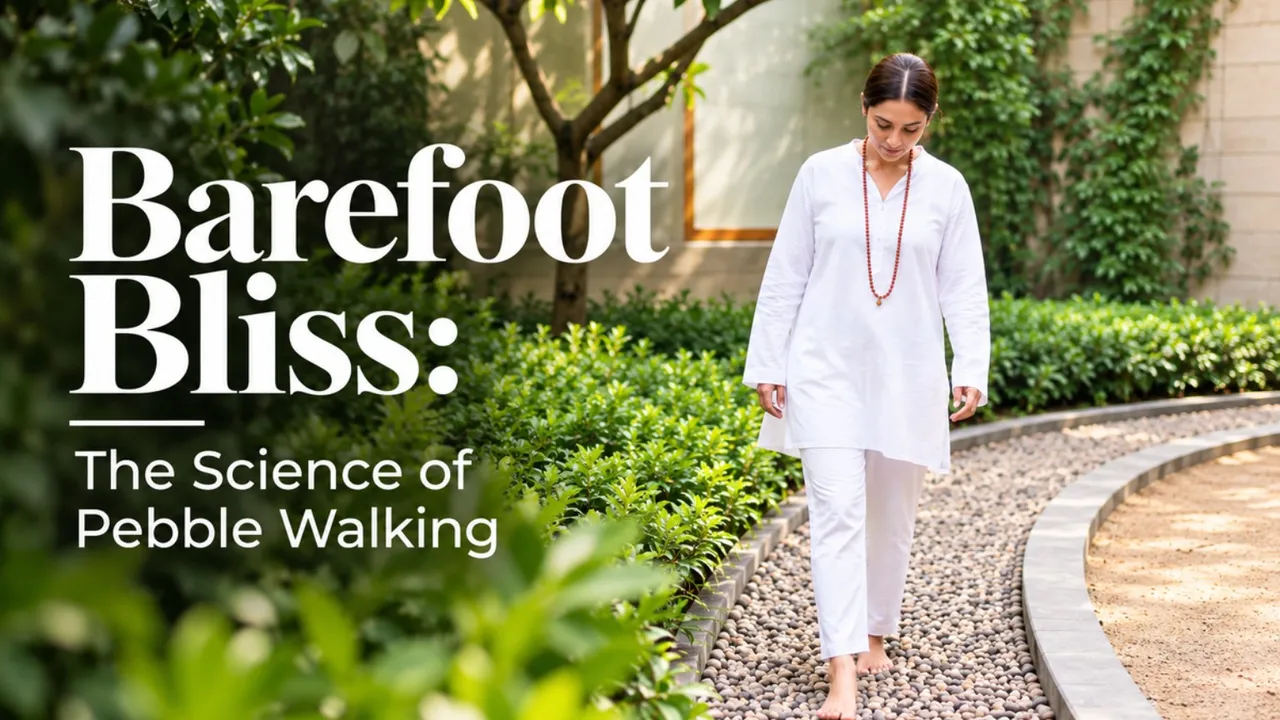
4. Tactile Grounding: Take your shoes off on clean grass, soil, or natural stone to give
your proprioceptive receptors raw earth signals.
Rediscovering Stillness at Naad Wellness
True restoration requires stepping away from the endless stream of artificial stimulation.
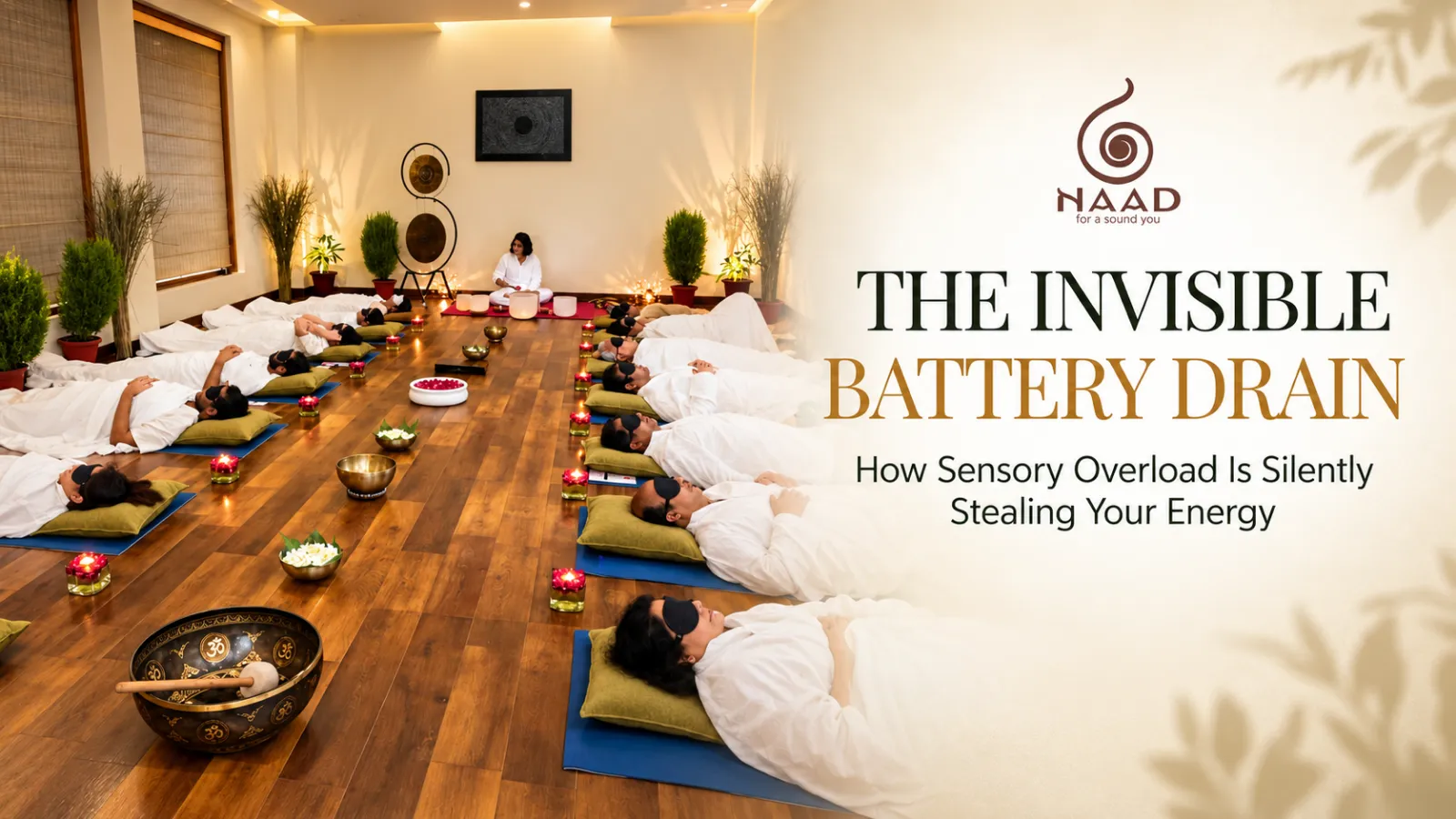
At Naad Wellness, our programs are intentionally designed to give your senses the profound
rest they crave. Under the vision and leadership of Ramesh Kumar, founder of Naad
Wellness, we have created an authentic ecosystem where tranquil natural environments,
ancestral wisdom, and contemporary clinical science come together.
By stripping away the artificial noise of modern life and reintroducing the body to elemental
harmony, Naad Wellness helps you quiet the internal storm, allowing your nervous system
to rest, reset, and genuinely heal.