Introduction
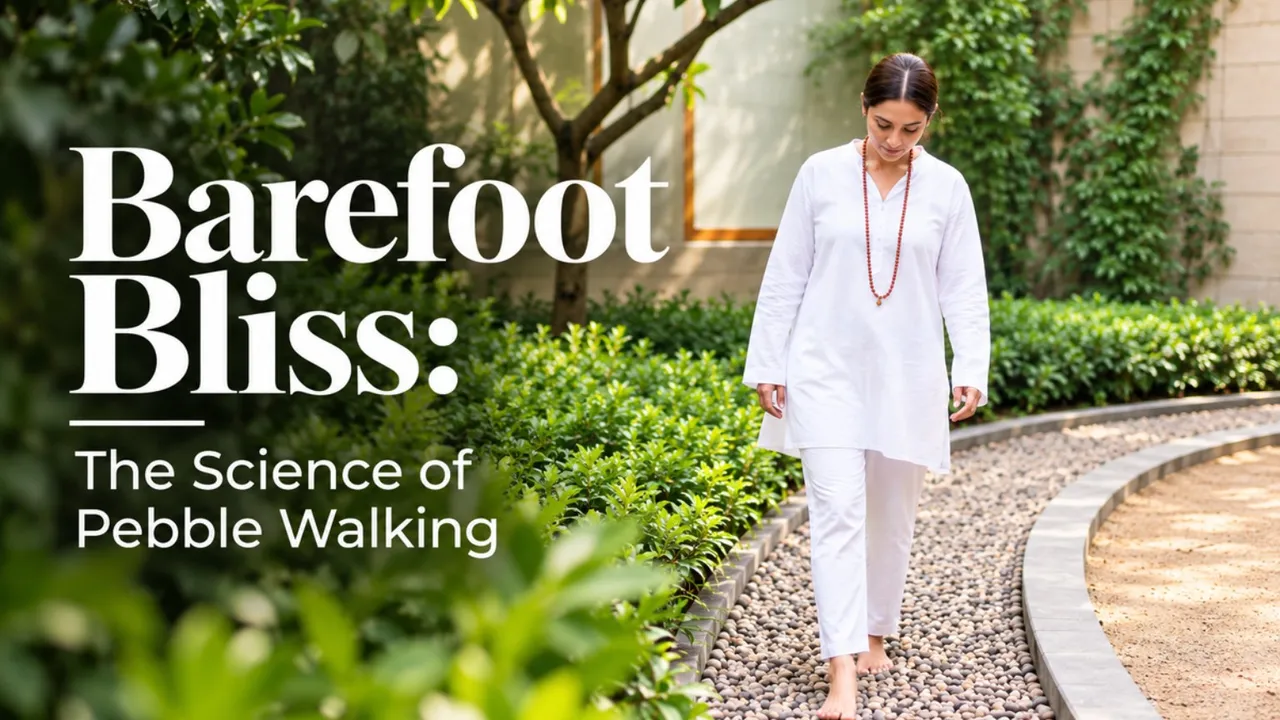
Our feet house some of the most complex nerve networks and structural mechanics in the human body, yet modern life keeps them cushioned, elevated, and isolated inside rigid footwear. Constant reliance on heavy arch supports and flat, paved surfaces deprives our lower extremities of natural sensory feedback. Pebble walking, an ancient reflexology-inspired practice long utilized in traditional health systems, reintroduces uneven natural textures to activate stagnant neural pathways, improve postural balance, and re-engage dormant foot musculature.
Awakening the Plantar Axis: Sensory Mechanoreceptors and Reflexology
The soles of the human feet contain thousands of mechanoreceptors designed to communicate directly with the central nervous system. Walking barefoot across smooth, rounded stones triggers key physiological mechanisms:
● Proprioceptive Activation: Navigating uneven surfaces forces the small intrinsic muscles of the feet to constantly make micro-adjustments, sharpening spatial awareness and joint stability.
● Plantar Pressure Architecture: The rounded contours of smooth river stones apply targeted pressure to specific regions of the sole, encouraging localized blood flow and helping release plantar fascial tension.
● Vestibular Recalibration: Continuous feedback from the feet forces the brain’s balance centers to recalibrate, promoting better overall alignment up through the ankles, knees, and hips.
Systemic Resonances: Vascular Pumps and Neurological Grounding
Beyond local foot health, regular pebble walking delivers systemic biological rewards:
● Venous Return Synergy: The mechanical flexing of the foot arch against uneven surfaces acts as a natural muscular pump, assisting blood and lymph fluid in returning from the lower limbs toward the heart.
● Autonomic Downregulation: Clinical observations on textured surface walking suggest that sustained tactile input on the feet helps downregulate sympathetic nerve activity, supporting healthier blood pressure readings.
● Sensory Presence: Direct physical contact with textured earth forces deep sensory focus, breaking loops of mental overthinking and promoting a steadying, parasympathetic state.
Key Words & Research Shows That: Physiological Benefits of Barefoot Walking
● Inflammation Reduction: Direct skin contact with the Earth allows free electron transfer that neutralizes free radicals, curbing chronic inflammatory responses in internal tissues
● Improved Sleep Architecture: Grounding normalizes diurnal cortisol rhythms, facilitating faster sleep onset and deeper slow-wave recovery cycles
● Cardiovascular & Blood Viscosity Optimization: Surface electrical charges enhance red blood cell zeta potential, reducing blood viscosity and supporting healthy circulation
● Accelerated Muscle Recovery: Physical grounding post-exertion significantly lowers delayed onset muscle soreness (DOMS) and markers of muscle damage
● Mood Stabilization & Autonomic Shift: Direct ground contact shifts the autonomic nervous system from sympathetic flight states into parasympathetic restoration, instantly soothing anxiety
Mindful Steps: Mastering the Art of Textured Movement
Because modern feet are accustomed to soft support, transitioning to textured surfaces should be done gradually to build structural tolerance:
● Select the Right Surface: Choose smooth, rounded river pebbles or specialized reflexology walking paths rather than sharp, jagged stones.
● Start in Short Increments: Begin with 3 to 5 minutes of slow, deliberate walking, gradually increasing duration as the soles and intrinsic muscles adapt.
● Distribute Your Weight Evenly: Walk with upright posture, engaging your core and stepping consciously from heel to toe to distribute pressure across the entire footbed.
● Post-Walk Rest: Allow feet to relax after a session, following up with gentle ankle circles and foot stretches to integrate the neural input.
Everyday Rituals: Reconnecting with the Earth
Reconnecting with natural ground textures does not require a complete lifestyle overhaul:
● The Home Sensory Path: Set up a small tray or garden path filled with smooth pebbles at home for daily morning or evening walks.
● Nature Immersion: Take short barefoot walks across natural grass, sand, or smooth riverbeds during weekend outdoor activities.
● Desk-Side Recalibration: Spend five minutes stepping on a textured reflexology mat after long hours spent sitting at a desk to stimulate circulation in cold lower extremities.
Sensory Re-education at Naad Wellness
At Naad Wellness, restorative health is approached through targeted, evidence-led natural therapies. By incorporating tactile reflexology pathways and ground-based movement modalities alongside personalized care protocols, guests are guided through safe, structured journeys to restore natural movement mechanics, awaken sensory pathways, and rebuild foundational bodily harmony.