
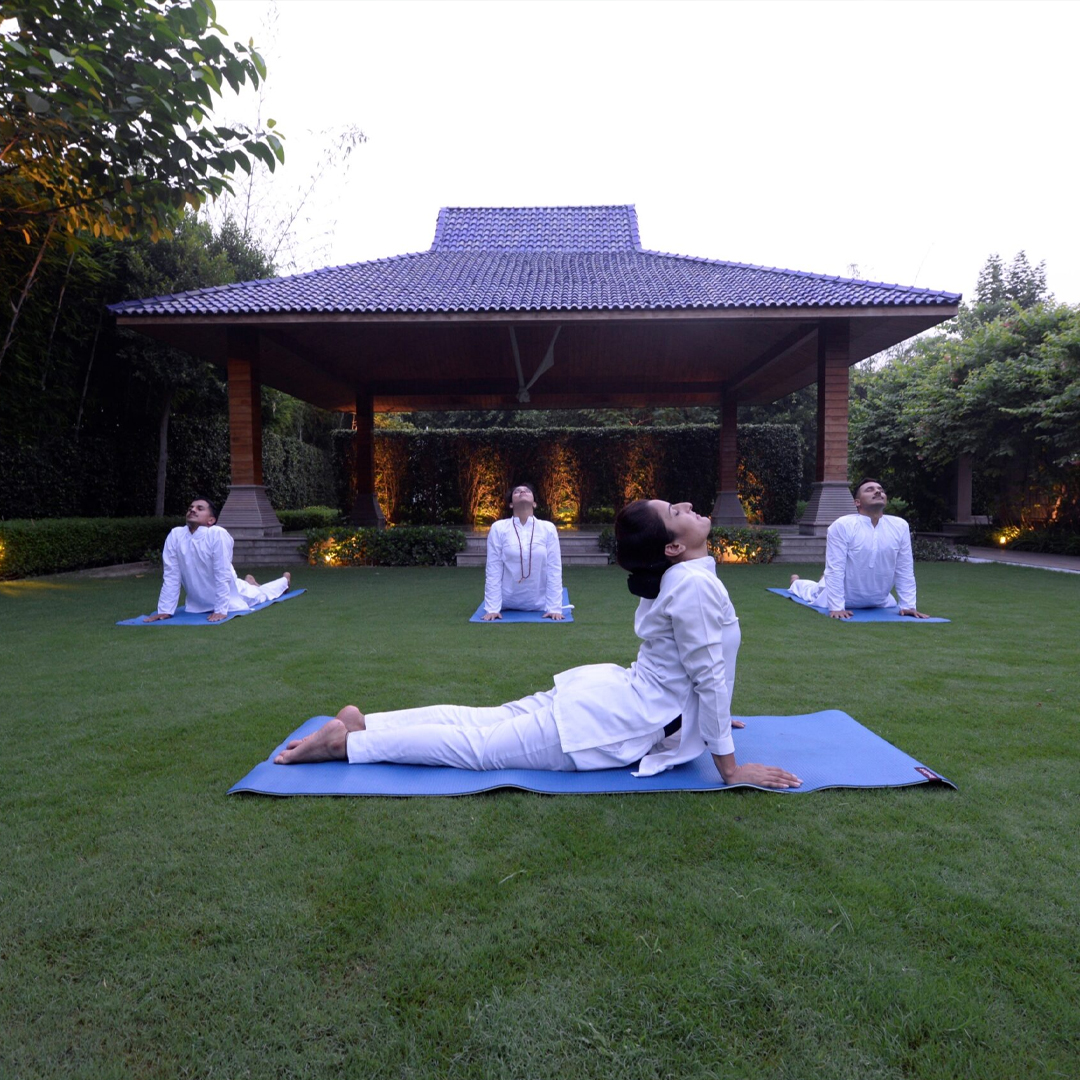
Nature as Medicine: How Immersive Landscapes Accelerate Healing

Introduction


In today’s fast paced and highly digital world, many of us spend more time indoors than ever before. Our days are filled with screens, schedules, and constant stimulation. While this lifestyle may feel normal, it often leaves us feeling tired, stressed, and disconnected. In contrast, spending time in nature has a quiet but powerful effect on the mind and body. It does not demand attention, yet it restores it. Nature has long been considered a source of healing, and today, both science and experience are proving just how important it truly is.


Table of Contents


  1. Understanding Nature as Medicine

  2. How Natural Environments Impact the Body

  3. Mental and Emotional Healing Through Nature

  4. The Power of Immersive Landscapes

  5. Bringing Nature into Daily Life

  6. Value and Insights

  7. Conclusion


Understanding Nature as Medicine


Nature as medicine is not a new idea. For centuries, people have turned to forests, mountains, rivers, and open spaces for rest and recovery. What makes nature so powerful is its ability to restore balance without effort. Unlike artificial environments, nature does not overwhelm the senses. Instead, it gently engages them, allowing the mind to relax and the body to recover.

Healing in nature happens in a subtle yet deep way. It is not about doing something specific, but about being present in an environment that supports wellbeing. The simplicity of natural surroundings creates space for the mind to slow down and reset.


How Natural Environments Impact the Body


Calming the Nervous System

When we are constantly exposed to noise and stress, the body remains in a state of alertness. Natural environments have the opposite effect. The sound of wind, the sight of greenery, and the rhythm of walking outdoors signal the body to relax. This helps reduce stress levels and allows the body to shift into a state of healing.

Improving Physical Health

Spending time in nature often encourages gentle movement such as walking or stretching. Fresh air and natural light also support overall physical health. These elements together improve energy levels and help the body feel more balanced.

Supporting Rest and Recovery

Nature creates an environment that naturally supports rest. Without constant distractions, the body can relax more deeply. This improves sleep quality and allows for better recovery from physical and mental fatigue.


Mental and Emotional Healing Through Nature


Reducing Mental Fatigue

Continuous exposure to screens and information overload can exhaust the mind. Nature provides a break from this constant input. The mind does not have to process complex information, which allows it to rest and regain clarity.

Improving Mood and Emotional Balance

Being in natural surroundings often brings a sense of calm and ease. Stress, anxiety, and restlessness begin to fade. Over time, this creates a more stable and positive emotional state.

Enhancing Mindfulness

Nature encourages presence. Whether it is the sound of birds, the feeling of the breeze, or the sight of open landscapes, these experiences draw attention to the present moment. This naturally increases awareness and mindfulness without effort.


The Power of Immersive Landscapes


Deep Disconnection from Stress

Immersive landscapes such as mountains, forests, or coastal areas provide a complete shift from daily environments. This physical distance helps the mind disconnect from routine stress and responsibilities.

Stronger Sensory Experience

In immersive settings, the senses are fully engaged gently. The sights, sounds, and textures of nature create a grounding experience that helps calm the mind and body.

Encouraging Inner Reflection

Being surrounded by nature creates space for quiet reflection. Without constant distractions, thoughts become clearer. This often leads to new perspectives and a deeper understanding of oneself.


Bringing Nature into Daily Life


Small Daily Connections

Even short moments in nature can have a positive impact. A walk outside, sitting in a park, or spending time in a garden can help reset the mind during the day.

Creating Natural Spaces

Bringing elements of nature into your environment, such as plants or natural light, can create a calming atmosphere even indoors.

Making Time for Immersion

While daily exposure is helpful, spending longer periods in natural settings can deepen the benefits. Planning occasional trips to quiet and natural locations can support long-term well-being.

Value and Insights

Research and real-life experiences both highlight the healing power of nature. People who spend regular time in natural environments often report lower stress levels, improved mood, and better overall health. Even a short time outdoors can significantly improve focus and mental clarity.

The key insight is that nature does not need to be complicated or distant to be effective. It is accessible, simple, and deeply restorative. In a world filled with constant stimulation, it offers something we rarely experience: true calm.


Conclusion


Nature is more than just a place; it is a powerful source of healing. By stepping into natural environments, we allow the mind to slow down and the body to recover. Whether through daily walks or immersive retreats, connecting with nature can bring balance, clarity, and renewed energy. In a world that often feels overwhelming, nature reminds us of a simpler and healthier way to exist.
 

The Art of Slow Living: Reclaiming Time in a Hyper Connected World

Introduction


Life today often feels like a race with no clear finish line. We move quickly from one task to another, constantly checking our phones, responding to messages, and trying to keep up with endless demands. Even moments of rest are filled with scrolling and distractions. Over time, this fast paced way of living can leave us feeling exhausted, unfocused, and disconnected. Slow living offers a different approach. It is not about doing less for the sake of it, but about doing things with intention, awareness, and presence. It is about reclaiming time and creating space for what truly matters.


Table of Contents


  1. What is Slow Living

  2. Why Modern Life Feels So Rushed

  3. The Core Principles of Slow Living

  4. How Slow Living Transforms Daily Life

  5. Simple Ways to Practice Slow Living

  6. Value and Insights

  7. Conclusion


What is Slow Living


Slow living is a mindful way of approaching life. It focuses on quality over quantity and presence over speed. Instead of rushing through tasks, it encourages doing things with full attention and purpose.

It does not mean avoiding responsibilities or becoming unproductive. Rather, it means being intentional about how time and energy are used. It allows space for rest, reflection, and meaningful experiences.


Why Modern Life Feels So Rushed


Constant Connectivity

Technology keeps us connected at all times. While this has many benefits, it also creates pressure to always be available. Notifications, emails, and messages demand immediate attention, leaving little room for mental rest.

Culture of Productivity

Modern culture often values being busy. Productivity is seen as success, and rest is sometimes viewed as a lack of effort. This mindset pushes people to constantly do more, often at the cost of their wellbeing.

Fear of Missing Out

The need to keep up with others can create a sense of urgency. Social media, in particular, can make people feel like they need to be doing more, achieving more, and experiencing more, all at once.


The Core Principles of Slow Living


Living with Intention

Slow living encourages making conscious choices. Instead of acting out of habit or pressure, it involves deciding what truly matters and focusing on that.

Being Present

One of the most important aspects of slow living is presence. It is about fully experiencing each moment rather than rushing through it. Whether it is eating, working, or spending time with others, being present makes the experience more meaningful.

Simplifying Life

Reducing unnecessary complexity helps create more space for what is important. This could mean simplifying routines, limiting distractions, or letting go of commitments that do not add value.


How Slow Living Transforms Daily Life


Improved Focus

When you slow down, your attention becomes sharper. Tasks are completed with greater clarity and efficiency because you are fully engaged in them.

Better Emotional Balance

A slower pace allows the mind to process thoughts and emotions more calmly. This reduces stress and creates a greater sense of stability.

Deeper Connections

Being present improves relationships. Conversations become more meaningful, and time spent with others feels more fulfilling.

Greater Appreciation

Slow living helps you notice the small details of everyday life. Simple moments such as a quiet morning or a peaceful walk become more enjoyable.


Simple Ways to Practice Slow Living


Creating Boundaries with Technology

Limiting screen time and reducing unnecessary notifications can help create mental space. This allows for more focused and intentional use of time.

Slowing Down Daily Activities

Simple activities such as eating, walking, or even breathing can be done more mindfully. This brings a sense of calm into everyday routines.

Prioritizing Rest

Rest is essential, not optional. Taking time to relax without guilt supports both mental and physical wellbeing.

Choosing Quality Over Quantity

Focusing on fewer, more meaningful activities creates a deeper sense of satisfaction than trying to do everything at once.

Value and Insights

Slow living is not about escaping modern life, but about navigating it more consciously. Many people who adopt this approach notice reduced stress, improved focus, and a stronger sense of balance.

The key insight is that time is not something we lack, it is something we often mismanage. By slowing down, we begin to use time more intentionally rather than feeling controlled by it.

In a world that constantly encourages speed, choosing to slow down becomes a powerful and conscious decision.


Conclusion


The art of slow living is about reclaiming control over your time and attention. It allows you to step away from constant urgency and reconnect with what truly matters. By living with intention and presence, you create a life that feels more balanced, meaningful, and fulfilling. Sometimes, the best way to move forward is to simply slow down.

The Power of Stillness: How Yoga and Meditation Rewire the Modern Mind

Introduction


Modern life moves at a relentless pace. From the moment we wake up, our minds are pulled into messages, responsibilities, and endless streams of information. Over time, this constant activity creates stress, mental fatigue, and a sense of disconnection from ourselves. In such a l Au, stillness can feel unfamiliar, even uncomfortable. Yet it is within this stillness that true clarity begins. Yoga and meditation offer a simple but powerful way to pause, reset, and reconnect with the mind in a deeper way.


Table of Contents


  1. What is Stillness in Modern Life
  2. How Yoga Impacts the Mind
  3. How Meditation Rewires Thinking Patterns
  4. Emotional and Mental Benefits
  5. Building Stillness into Daily Life
  6. Conclusion


What is Stillness in Modern Life


Stillness is often misunderstood as doing nothing, but in reality, it is about being fully present. In today’s fast moving environment, the mind is rarely at rest. Even when the body is still, thoughts continue to race between the past and the future. This constant mental movement creates inner noise that makes it difficult to think clearly or feel calm.

Stillness creates a space where the mind can slow down. It allows us to step away from distractions and reconnect with the present moment. In this state, we begin to notice how much of our stress is created not by situations themselves, but by how constantly we think about them.


How Yoga Impacts the Mind


Release of Physical Tension

Yoga works through the body to calm the mind. Many people carry stress in their muscles without realizing it. Tight shoulders, stiff necks, and shallow breathing are often signs of mental pressure. Through slow and mindful movement, yoga helps release this stored tension. As the body relaxes, the brain receives signals that it is safe to slow down, which naturally reduces stress.

Breath Awareness

One of the most important aspects of yoga is the focus on breathing. Deep and steady breathing has a direct impact on the nervous system. It shifts the body from a state of alertness into a state of relaxation. This simple act of conscious breathing helps reduce anxiety and creates a sense of calm that extends beyond the practice itself.

Mind Body Connection

Yoga strengthens the connection between the mind and the body. Instead of moving automatically, you begin to move with awareness. This awareness helps you notice how your body feels, how your breath flows, and how your mind reacts. Over time, this connection carries into daily life, making you more conscious of your actions and emotions.


How Meditation Rewires Thinking Patterns


Breaking the Thought Cycle

Meditation teaches the mind to slow down. Instead of getting caught in endless thinking, you begin to observe your thoughts. This helps break the cycle of overthinking that many people struggle with. By focusing on the present moment, the mind gradually becomes less reactive and more stable.

Creating Mental Space

One of the most powerful effects of meditation is the space it creates between a thought and a reaction. In everyday life, people often react immediately to situations without thinking. Meditation introduces a pause, allowing you to respond with clarity instead of impulse. This small shift can transform how you handle stress and challenges.

Strengthening Focus

Regular meditation improves concentration. As you practice bringing your attention back to the present moment, your ability to focus naturally improves. This not only makes you more productive but also reduces the mental exhaustion that comes from constant distraction.

Emotional and Mental Benefits


Reduced Stress and Anxiety

Yoga and meditation lower stress levels by calming the nervous system. With regular practice, the body produces fewer stress hormones, and the mind feels more at ease. Situations that once felt overwhelming become easier to handle.

Better Emotional Control

These practices help you become more aware of your emotions. Instead of reacting instantly, you learn to pause and understand what you are feeling. This leads to better emotional balance and healthier responses in difficult situations.

Improved Clarity

When the mind is not overloaded with thoughts, it becomes easier to think clearly. Decisions feel more natural, and problems appear less complicated. Clarity replaces confusion.


Stronger Self Awareness


Spending time in stillness allows you to understand yourself better. You become more aware of your habits, patterns, and emotional triggers. This awareness is the first step toward personal growth.


Building Stillness into Daily Life


Simple Ways to Start

You do not need a long routine to begin. Even a few minutes of quiet sitting or gentle yoga can make a difference. Starting small helps build consistency without feeling overwhelming.

Reducing Mental Noise

Creating moments of silence during the day can help reduce mental overload. Taking breaks from screens, avoiding constant multitasking, and giving yourself time to simply be can bring a sense of calm.

Staying Consistent

The key to experiencing the benefits of stillness is consistency. Regular practice, even if short, is more effective than occasional long sessions. Over time, these small efforts create lasting changes in the mind.

Research and real life experiences both highlight the impact of stillness practices. Many people notice reduced stress, better focus, and improved emotional balance within a few weeks of regular yoga or meditation. High performers across different fields often include these practices in their routines to maintain clarity and manage pressure effectively.

The most important insight is that stillness is not a luxury. It is a necessity in a world that constantly demands attention. Taking time to pause is what allows you to function better in every other aspect of life.


Conclusion


Yoga and meditation are not just practices, they are ways of living with greater awareness. They help you step away from the noise of modern life and reconnect with a calmer, clearer state of mind. In a world that constantly pushes you to move faster, choosing stillness can be your greatest strength. It is in these quiet moments that true balance, clarity, and peace begin to grow.


Ayurveda in the Modern World: Why Ancient Wisdom is the Future of Preventive Health

Introduction


We live in a time where health is often treated as a reaction rather than a responsibility. People wait for discomfort, illness, or imbalance before taking action. But what if health could be maintained before problems even begin? This is where Ayurveda, a centuries old system of wellness, becomes deeply relevant today. In a fast moving world filled with stress and irregular habits, Ayurveda brings us back to simplicity, balance, and awareness.


Table of Contents


  1. What is Ayurveda
  2. Core Principles of Ayurvedic Living
  3. Why Preventive Health Matters Today
  4. How Ayurveda Fits into Modern Life
  5. Daily Practices for Balance
  6. Conclusion

What is Ayurveda


Ayurveda is a holistic system of health that focuses on maintaining balance within the body and mind. It does not look at health as the absence of disease, but as a state of harmony. Instead of only addressing symptoms, it works to understand the root cause of imbalance.

What makes Ayurveda unique is its personalized approach. It recognizes that each individual has a different body type and lifestyle, which means that health practices should also be tailored accordingly. This makes it highly adaptable, even in modern living conditions.

Core Principles of Ayurvedic Living


Understanding Individual Nature

Ayurveda believes that every person has a natural constitution that influences their physical and mental tendencies. By understanding this, individuals can make better decisions about food, routine, and lifestyle. This awareness creates a more aligned way of living.

Balance Over Extremes

Rather than promoting strict rules, Ayurveda focuses on maintaining balance. Small disruptions in daily habits can slowly lead to larger health concerns. By making mindful adjustments, balance can be restored before issues develop.

Living in Rhythm with Nature

Ayurveda emphasizes aligning with natural cycles such as day and night, as well as seasonal changes. When daily routines follow these rhythms, the body functions more efficiently and stays in a healthier state.

Why Preventive Health Matters Today


Modern Lifestyle Challenges

Today’s lifestyle often includes irregular sleep, processed food, and constant stress. These habits gradually weaken the body’s natural ability to maintain balance. Preventive health becomes essential in avoiding long term issues.

Mental Wellbeing

Health is no longer limited to physical fitness. Emotional and mental wellbeing have become equally important. Ayurveda considers the mind and body as one system, making it highly relevant in addressing modern stress and anxiety.

How Ayurveda Fits into Modern Life


Simple and Practical Approach

Ayurveda does not demand drastic changes. It encourages small, consistent habits that fit into daily life. This makes it easier to sustain over time.

Personalization Over Generalization

Modern health advice is often the same for everyone. Ayurveda takes a different approach by focusing on individual needs. This creates more effective and meaningful results.

Complementing Modern Wellness

Ayurveda works well alongside practices such as exercise, meditation, and balanced nutrition. It enhances these by adding depth and understanding to everyday habits.


Daily Practices for Balance


Mindful Eating

Paying attention to what and how you eat plays a major role in overall health. Eating in a calm state and choosing nourishing foods improves digestion and energy levels.

Consistent Routine

A stable daily routine supports the body’s internal clock. Regular sleep and meal timings help maintain balance and reduce stress.

Rest and Recovery

Adequate rest allows the body to repair and recharge. Ayurveda places strong importance on sleep and relaxation as key pillars of health.

The strength of Ayurveda lies in its simplicity and long term vision. Many people who adopt Ayurvedic habits experience improved digestion, better energy, and reduced stress. It shifts the focus from temporary solutions to sustainable living.

In a world that is now moving toward preventive healthcare, Ayurveda naturally stands out. Its principles, though ancient, align perfectly with modern needs.


Conclusion


Ayurveda is not just a traditional practice, it is a practical guide for living well. By focusing on balance, awareness, and prevention, it offers a path toward lasting health. In today’s fast paced environment, this ancient wisdom may be exactly what we need for a healthier future.


From Burnout to Balance: The Science of Retreat Based Healing

Introduction

Burnout is no longer rare, it has become a common part of modern life. Constant pressure, long working hours, and the inability to disconnect leave many people feeling drained and disconnected. While short breaks may provide temporary relief, they often do not address the deeper exhaustion. This is where retreat based healing offers a meaningful solution. By stepping away from daily life and entering a space designed for restoration, individuals can truly reset their minds and bodies.

Table of Contents


  1. Understanding Burnout
  2. What is Retreat Based Healing
  3. The Science Behind Healing Retreats
  4. Key Elements of a Retreat Experience
  5. Long Term Impact on Mind and Body
  6. Conclusion

Understanding Burnout


What Causes Burnout


Burnout develops over time due to continuous stress and lack of recovery. When the body and mind are constantly pushed without proper rest, energy levels drop and motivation fades. It is not just physical tiredness but a deeper emotional and mental exhaustion.


Signs of Burnout


People experiencing burnout often feel overwhelmed and disconnected. They may struggle with focus, feel constantly tired, and lose interest in things they once enjoyed. This state cannot be fixed with rest alone because the mind also needs recovery.

What is Retreat Based Healing


Stepping Away from Daily Life


Retreats provide a space where individuals can disconnect from routine responsibilities. This distance from everyday stress allows the mind to slow down and begin healing.


Holistic Healing Environment


Retreats focus on overall wellbeing by combining practices such as yoga, meditation, balanced meals, and relaxation. These elements work together to restore balance in both the body and mind.


The Science Behind Healing Retreats


Resetting the Nervous System


Continuous stress keeps the body in a state of alertness. Retreat environments promote calmness, which helps shift the body into a relaxed state. This allows natural healing processes to take place.


Improving Mental Clarity


Being away from constant distractions gives the mind time to settle. This improves focus, decision making, and overall clarity.


Emotional Release


A calm and supportive environment allows individuals to process emotions that are often ignored in daily life. This leads to a sense of relief and emotional balance.


Key Elements of a Retreat Experience


Structured Routine


Retreats often follow a balanced schedule that includes movement, rest, and reflection. This structure helps restore a natural rhythm to the day.


Peaceful Environment


Natural surroundings and quiet spaces play an important role in healing. They reduce mental noise and create a sense of calm.


Guided Practices


Experienced practitioners guide participants through techniques that support relaxation and awareness. These practices can later be continued in daily life.


Long Term Impact on Mind and Body


Increased Energy


After a retreat, individuals often feel refreshed and recharged. The body regains energy as it recovers from prolonged stress.


Better Stress Management


The techniques learned during a retreat help individuals handle stress more effectively in everyday situations.


Renewed Perspective


Taking time away allows people to reflect on their lives. Many return with clearer priorities and a better understanding of what matters most.


Retreat based healing goes beyond relaxation. It creates an opportunity for deep reset and transformation. Many people notice improved sleep, better mood, and greater clarity after attending a retreat.

The key insight is that true recovery requires intentional time and the right environment. Quick breaks may help temporarily, but deeper healing needs a more focused approach.

Conclusion

Burnout is a challenge of modern living, but it does not have to be permanent. Retreat based healing offers a way to step back, reset, and rebuild. By creating space for rest and reflection, it helps restore balance in both the mind and body. In a world that constantly demands more, taking time to pause may be the most powerful step toward lasting wellbeing.

Nidra (Rest and Sleep)

Sleep is where healing begins. At Naad, we make sure your nights are as restful as your days are meaningful. From soothing meals and thoughtful room comforts to therapies designed to help you unwind, everything gently supports deep, peaceful rest. Surrounded by calming nature and quiet spaces, you will feel your mind soften and your body recharge. We offer simple routines to help you build a healthier sleep habit.

Yoga and Meditation

Movement is medicine and stillness is too. Naad offers peaceful spaces to stretch, breathe and reconnect with yourself, both indoors and outdoors. With experienced instructors and sessions designed around you, choose private or group practices that support your physical strength, mental clarity and emotional balance. These practices help you carry calm and focus long after your stay.

Ahara (Wellness Cuisine)

Food should nourish, comfort and heal. Every meal at Naad is prepared to suit your body, your needs and your goals. Our chefs and wellness experts create dishes that are fresh, natural and deeply satisfying, helping you feel lighter, stronger and more balanced from within. Meals are personalized for your health journey and crafted to support long term wellbeing, while still delighting every bite.

Posana (Healing and Nourishment)

True care means tending to every part of you. Naad offers Ayurvedic and natural therapies that relieve stress and restore energy. Experience warm pools, the himalayan salt cave and beautifully designed therapy rooms that bring comfort and renewal in every moment. Each session is guided by skilled therapists who support recovery, ease tension and help your body remember its natural state of balance and strength.

Booking Inquiry